So I've been frustrated working at the aquarium because I'm not really doing anything that is challenging or really in my interest area.
But today I had a meeting with a mom. Her son is coming to camp this summer at the aquarium and he has disabilities. I've been assigned to be his buddy during camp and make sure that camp runs smoothly for him and for the rest of the camp. So my boss thought it would be good for me to meet with the mom before so I can find out how best to get ready for camp. Well I didn't think this was necessary but went with it. It was awesome. The mom was almost in tears when I walked in. She has lived in many different places around the world and in America but had never had people so welcoming and accommodating of her son because of his special needs.
It was so great to hear her talk about her son and his strengths and challenges. He sounds like a great kid. I was so excited to hear about this kid that I get to spend a week with this summer.
As I was saying good bye to the mom my eyes caught a glimpse of a familiar person. It was my class; the students I taught before I left for Africa. The whole class was there, teachers, aids, and all. I was shocked. It was so great to see them.
Now I know why I'm frustrated with work, it's not the place or the job; it's me. I wasn't made to work with fish or children or programs. I was made to work with people with disabilities. I find no greater joy then spending time with, teaching, and getting to know people with disabilities. It's where I belong.
I want to be part of people's lives who have disabilities. It doesn't matter where I am or who I work for, as long as I've got people with disabilities in my focus I'll be a happy girl.
Friday, May 13, 2011

Tuesday, March 29, 2011
Maybe the story really isn’t finished yet
March 2 I received some devastating news. I would not be allowed to return to Burundi to serve for two more years as decided 3 months earlier. I was shocked. I didn’t understand what was happening and I felt betrayed. I didn’t write it on my blog or tell many people because my wish was that it would reverse itself and things would got back to the way they were. After much counsel I realize that things will not go back. I thought the story of my service in Burundi was done but after a conversation with my friend Isaac things cleared up. Isaac is deep in the middle of Burundi serving at a hospital. He has a cell phone that sometimes works and internet service is in the nearest large city about an hour drive away. Sitting at my dinning room table I was able to call him through skype on his cell phone. Now the connection wasn’t the greatest and it did cut out half way through but after I had a thought, maybe my service in Burundi really isn’t done. If technology can allow me to reach into the heart of Burundi from my dinning room in Kent maybe my service can too.
Perhaps God has changed my plan of serving Burundi while living there to serving Burundi while living here. Just because I’m far doesn’t mean I can’t help a country and people I’ve come to love.
I am once again excited to see what God is going to do for the children and adults in Burundi with disabilities through my willingness to serve, no matter how uncomfortable.
Perhaps God has changed my plan of serving Burundi while living there to serving Burundi while living here. Just because I’m far doesn’t mean I can’t help a country and people I’ve come to love.
I am once again excited to see what God is going to do for the children and adults in Burundi with disabilities through my willingness to serve, no matter how uncomfortable.
Tuesday, March 15, 2011
Not Returning to Burundi
I'm sad to report that I will not be able to return to Burundi in September.
Everything was on schedule for my return in September but I was notified last week that the lack of a master's degree will prevent me from continuing my teaching at the university.
I would like to thank you, who are in the States for supporting me as I prepared to go, while I was there and in my return. I would like to thank the people who are in Burundi and around Africa who supported me while there and for the new friendships I have with you.
There are two reasons why I am sad that I will not return to Burundi. 1. I don't get to help my students in the Special Education department understand the importance of teaching, caring for and loving a person with a disability. 2. I made such great friends at HAU and around Burundi and will miss them very much
Thank you again all of you who kept me in your prayers during this stretching yet rewarding year.
I will keep this blog going for anyone that wants to follow, but specifically for my friends in Burundi so they can keep up with my life for free instead of expensive phone calls :)
Everything was on schedule for my return in September but I was notified last week that the lack of a master's degree will prevent me from continuing my teaching at the university.
I would like to thank you, who are in the States for supporting me as I prepared to go, while I was there and in my return. I would like to thank the people who are in Burundi and around Africa who supported me while there and for the new friendships I have with you.
There are two reasons why I am sad that I will not return to Burundi. 1. I don't get to help my students in the Special Education department understand the importance of teaching, caring for and loving a person with a disability. 2. I made such great friends at HAU and around Burundi and will miss them very much
Thank you again all of you who kept me in your prayers during this stretching yet rewarding year.
I will keep this blog going for anyone that wants to follow, but specifically for my friends in Burundi so they can keep up with my life for free instead of expensive phone calls :)
Monday, March 14, 2011
Vacation North West Coast
I'm currently on a road trip with my parents. We left Kent Washington stopping along the way down the Pacific ocean coast. I have never been to most of the places we are traveling. It's so much fun to see new places and experience them with my parents. 
Stopped at the Oregon Aquarium.


Yes those are piranhas.

It was a little windy there when earthquake from Japan caused a tsunami on the coast of Oregon.

The sun came out...we must be in California now :)


Stopped at the Oregon Aquarium.


Yes those are piranhas.

It was a little windy there when earthquake from Japan caused a tsunami on the coast of Oregon.

The sun came out...we must be in California now :)

Tuesday, March 8, 2011
Exit Report
Lately I've been spending time talking to people and reflecting on my time in Africa. I was thinking that I should put some of these thoughts on for you guys to read :)
Here is a report I wrote to one of my sending organizations.
Hope Africa University
Teaching Assignment: Rachel Jacobs
Special Education Department rej85@spu.edu
One thing I love about being back in the states is being able to share the story. I have had great talks with family and friends about my time at Hope Africa University. When asked, "What's your favorite part about your year?" I tell people, "grading papers". They laugh but it's true. That was a time when I got to read my students' thoughts. Once I figured out that their definition of plagiarism wasn’t mine. (I took care of that with some extra teaching on what it is to steal other’s work. Also I put a very specific policy and “how to avoid it” section in my syllabus). Reading through their papers I found out what my students were thinking and processing through. I got to see the change in my students from the first semester with me to the last. I taught the same students all year long so I got to see what a difference my presence and teaching had on them. During my first day of class I asked them to define a disability. They couldn't do it. They had no idea. It wasn't a cultural thing of them not wanting to talk in class, they just didn't know. But with class discussions, lectures and many homework assignments they learned; they really learned. At the end they were coming up with their own ideas that would work specifically for East Africa.
It wasn't easy teaching classes. I had to learn how to teach them. In the old Belgium style of teaching, the professor knows best and students will never know as much as teacher and shouldn't even try. I informed the class early on that I did not know everything but knew how and where to find the information. We also made a deal that I would teach them about the special education field if they would teach me about special education and people who have disabilities in East Africa. I had to enter with the truth that I’m only trained in my subject matter in an American setting. I needed to learn what my subject meant in an African setting so that I could make the learning relevant to them. It was a great exchange. We learned from each other. Research shows that someone who teaches actually learns more from the topic. I took the topics they needed to learn and made them not only learn how they were done but how to translate that to an East African context. I continued to ask, “What would that look like in East Africa?” or, “How can that be done successfully here?” The students were making the topics practical and relevant to their lives right away.
It was also difficult to have students in my class who didn't know English enough to follow my lectures. Again my students and I worked out a system that best fit both of our needs, mine to be understood and their need to understand the material. It worked out that I would lecture for about 10 min on a topic and then break them into groups and give discussion questions along the topic just lectured on. This is good teaching according to brain research because adults can only productively focus on a subject for about 10 min anyways. I then allowed each group to discuss in whatever language they desired. Some groups were discussing in English, others French and a few in Kirundi and Kiswahili. This way the students that were lost by my English only were lost for 10 min and then they were brought up to speed and we could go deeper in the next 10 min of class time. Once the students got used to the system of group discussion the discussion time could take 1min to 20min depending on how discussion was going and how much learning was happening, most of the time the discussion lead right into the next topic.
Another thing that was helpful about discussion time was that students felt more comfortable asking questions. Culturally I learned that a student that asked questions is seen as someone who is interrupting the teacher and the learning process. However when the students were in small discussion groups they would ask questions freely. It was funny to me because I would start to answer a question of one group and the whole class would quiet down because that was their question too. These small group discussion times allowed the students to ask a much needed question in a culturally appropriate way.
Most of these students only had teachers lecture and write on the black board to teach them. This is how they learned and so most likely this is how they will end up teaching. Every opportunity to model special education best practice in my classroom was used. Schedules are very important for students with disabilities so that they can anticipate what is happening next. Lecture time began with a schedule of the day’s topics and activities written on the board. During my lecture time I included games, drawing, writing, team building activities, critical thinking activities, and drama to name a few. Students were not only expected to sit, listen and take notes but to participate in their education. I not only taught the students about the importance of engaging the five senses when teaching but I showed them how. We made up songs to remember concepts and did some dancing too. The students got to see how effective learning can be when it’s put into a fun activity.
People also ask me why I want to go back to Hope Africa University. I love my job there. I love taking students from where they are to where they can contribute to their country through their new, found knowledge of special education. I like the challenge that teaching in a different culture offers. I want to make sure that not only my subject matter is taught in a way that is culturally relevant but also that the way in which I teach is culturally appropriate. As I live and interact with the people there I’m learning how to be a better Hope Africa University lecturer. And I love it.
Here is a report I wrote to one of my sending organizations.
Hope Africa University
Teaching Assignment: Rachel Jacobs
Special Education Department rej85@spu.edu
One thing I love about being back in the states is being able to share the story. I have had great talks with family and friends about my time at Hope Africa University. When asked, "What's your favorite part about your year?" I tell people, "grading papers". They laugh but it's true. That was a time when I got to read my students' thoughts. Once I figured out that their definition of plagiarism wasn’t mine. (I took care of that with some extra teaching on what it is to steal other’s work. Also I put a very specific policy and “how to avoid it” section in my syllabus). Reading through their papers I found out what my students were thinking and processing through. I got to see the change in my students from the first semester with me to the last. I taught the same students all year long so I got to see what a difference my presence and teaching had on them. During my first day of class I asked them to define a disability. They couldn't do it. They had no idea. It wasn't a cultural thing of them not wanting to talk in class, they just didn't know. But with class discussions, lectures and many homework assignments they learned; they really learned. At the end they were coming up with their own ideas that would work specifically for East Africa.
It wasn't easy teaching classes. I had to learn how to teach them. In the old Belgium style of teaching, the professor knows best and students will never know as much as teacher and shouldn't even try. I informed the class early on that I did not know everything but knew how and where to find the information. We also made a deal that I would teach them about the special education field if they would teach me about special education and people who have disabilities in East Africa. I had to enter with the truth that I’m only trained in my subject matter in an American setting. I needed to learn what my subject meant in an African setting so that I could make the learning relevant to them. It was a great exchange. We learned from each other. Research shows that someone who teaches actually learns more from the topic. I took the topics they needed to learn and made them not only learn how they were done but how to translate that to an East African context. I continued to ask, “What would that look like in East Africa?” or, “How can that be done successfully here?” The students were making the topics practical and relevant to their lives right away.
It was also difficult to have students in my class who didn't know English enough to follow my lectures. Again my students and I worked out a system that best fit both of our needs, mine to be understood and their need to understand the material. It worked out that I would lecture for about 10 min on a topic and then break them into groups and give discussion questions along the topic just lectured on. This is good teaching according to brain research because adults can only productively focus on a subject for about 10 min anyways. I then allowed each group to discuss in whatever language they desired. Some groups were discussing in English, others French and a few in Kirundi and Kiswahili. This way the students that were lost by my English only were lost for 10 min and then they were brought up to speed and we could go deeper in the next 10 min of class time. Once the students got used to the system of group discussion the discussion time could take 1min to 20min depending on how discussion was going and how much learning was happening, most of the time the discussion lead right into the next topic.
Another thing that was helpful about discussion time was that students felt more comfortable asking questions. Culturally I learned that a student that asked questions is seen as someone who is interrupting the teacher and the learning process. However when the students were in small discussion groups they would ask questions freely. It was funny to me because I would start to answer a question of one group and the whole class would quiet down because that was their question too. These small group discussion times allowed the students to ask a much needed question in a culturally appropriate way.
Most of these students only had teachers lecture and write on the black board to teach them. This is how they learned and so most likely this is how they will end up teaching. Every opportunity to model special education best practice in my classroom was used. Schedules are very important for students with disabilities so that they can anticipate what is happening next. Lecture time began with a schedule of the day’s topics and activities written on the board. During my lecture time I included games, drawing, writing, team building activities, critical thinking activities, and drama to name a few. Students were not only expected to sit, listen and take notes but to participate in their education. I not only taught the students about the importance of engaging the five senses when teaching but I showed them how. We made up songs to remember concepts and did some dancing too. The students got to see how effective learning can be when it’s put into a fun activity.
People also ask me why I want to go back to Hope Africa University. I love my job there. I love taking students from where they are to where they can contribute to their country through their new, found knowledge of special education. I like the challenge that teaching in a different culture offers. I want to make sure that not only my subject matter is taught in a way that is culturally relevant but also that the way in which I teach is culturally appropriate. As I live and interact with the people there I’m learning how to be a better Hope Africa University lecturer. And I love it.
Saturday, March 5, 2011
Stressful Week
So my week started different and continued to be different.
Had to take mom to the emergency room. She's fine now.


Got some life changing news on Wednesday. I took my feelings out on the tree. Poor tree didn't see me coming.

Glad to be visiting my brother on the other side of the state as a vacation. Saw lots of snow on the way!

Had to take mom to the emergency room. She's fine now.


Got some life changing news on Wednesday. I took my feelings out on the tree. Poor tree didn't see me coming.

Glad to be visiting my brother on the other side of the state as a vacation. Saw lots of snow on the way!

Long waited Snowball
My uncle saved a snowball from November for me. I went over to his house and he brought it out. What a good time :)


Friday, February 25, 2011

Tuesday, February 22, 2011

Outing with Sarah

Sarah and I took a trip around Washington.

These sun glasses were hiding in her car...deep down.
Thursday, February 10, 2011
Sharing the Story
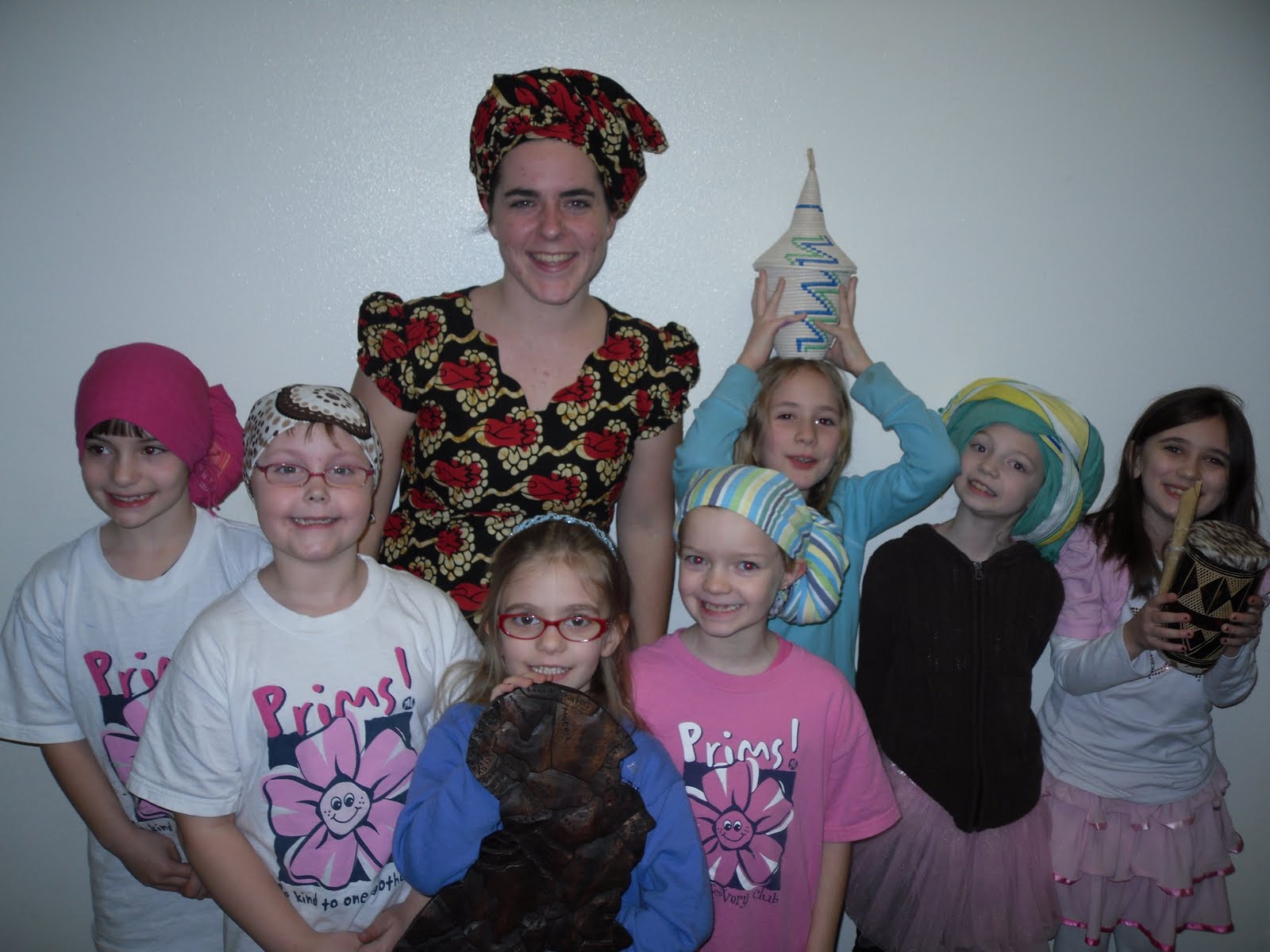
I thought that living and working in Burundi was my favorite part of life but I think that telling the story is just as fun! We talked about Burundi culture and people. We talked about Africa and animals. We talked about HAU and my work. But the best part of sharing with people about my trip is about how Jesus set the example of how we should treat each other. Even if people look different than us or have a disability or are just shy; we still need to show love like Jesus did.


Wednesday, February 9, 2011
Airplanes
I forgot what it was like to have planes fly over my house every half an hour. My parents live near a very small airport so small planes are flying over head all day long. Most of them are just people going on a joy ride. No purpose in their flight, just fun. It's just something small that reminds me that I'm in a different world.
Tuesday, February 8, 2011
Superbowl Party


Superbowl spent with the cousin!!! So great to spend time with people that love me so much. Go Packers!
1st visit to Church
It was so great to see church family that have been supporting and praying for me for the whole trip.
So many friends to see :) Here are a few.

Leslie

Sarah

Linda

Pastor Aaron and Richard.

Burundian and Congolese families at church were very happy to chat with me in Kirundi and KiSwahili. They loved my traditional dress.
So many friends to see :) Here are a few.

Leslie

Sarah

Linda

Pastor Aaron and Richard.

Burundian and Congolese families at church were very happy to chat with me in Kirundi and KiSwahili. They loved my traditional dress.
Subscribe to:
Posts (Atom)